
When it comes to pest control, prevention is always better than treatment. Taking proactive steps to stop pests from entering your home can save you time, money, and stress. Whether you're dealing with ants, cockroaches, rodents, spiders, or termites, a good prevention plan can significantly reduce the risk of infestations.
In this guide, we'll share practical pest prevention advice to help protect your home throughout the year.
Why Pest Prevention Matters
Pests can cause a range of problems, including:
- Contaminating food and surfaces
- Damaging furniture and property
- Spreading bacteria and allergens
- Creating an uncomfortable living environment
Preventing pests before they become established is the most effective way to maintain a healthy home.
1. Keep Your Home Clean
A clean home is less attractive to pests.
- Wipe down kitchen benches daily
- Clean up food crumbs and spills immediately
- Vacuum carpets and floors regularly
- Empty rubbish bins frequently
Even small food particles can attract ants, cockroaches, and rodents.
2. Store Food Properly
Food is one of the biggest attractions for pests.
- Use airtight containers for pantry items
- Keep pet food sealed when not in use
- Avoid leaving fruit or food uncovered
- Regularly inspect pantry items for signs of pests
3. Eliminate Moisture Sources
Many pests thrive in damp environments.
- Fix leaking taps and pipes
- Improve ventilation in bathrooms and laundries
- Remove standing water around the property
- Check gutters for blockages
Reducing moisture can help discourage cockroaches, termites, and rodents.
4. Seal Entry Points
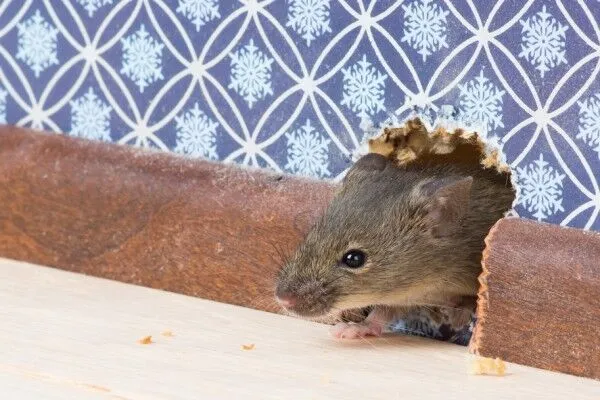
Pests often enter through small gaps and cracks.
- Seal cracks in walls and foundations
- Install door sweeps on exterior doors
- Repair damaged window screens
- Seal gaps around utility pipes and cables
Blocking access points is one of the most effective prevention methods.
5. Keep Outdoor Areas Tidy
Your yard can influence pest activity around your home.
- Trim trees and shrubs away from the house
- Remove piles of leaves and garden waste
- Store firewood away from walls
- Keep grass regularly maintained
A tidy outdoor area reduces shelter and nesting opportunities for pests.
6. Reduce Clutter Indoors
Clutter creates ideal hiding spots.
- Organise storage areas regularly
- Dispose of unnecessary cardboard boxes
- Keep garages and sheds tidy
- Store belongings in sealed plastic containers
7. Schedule Regular Pest Inspections
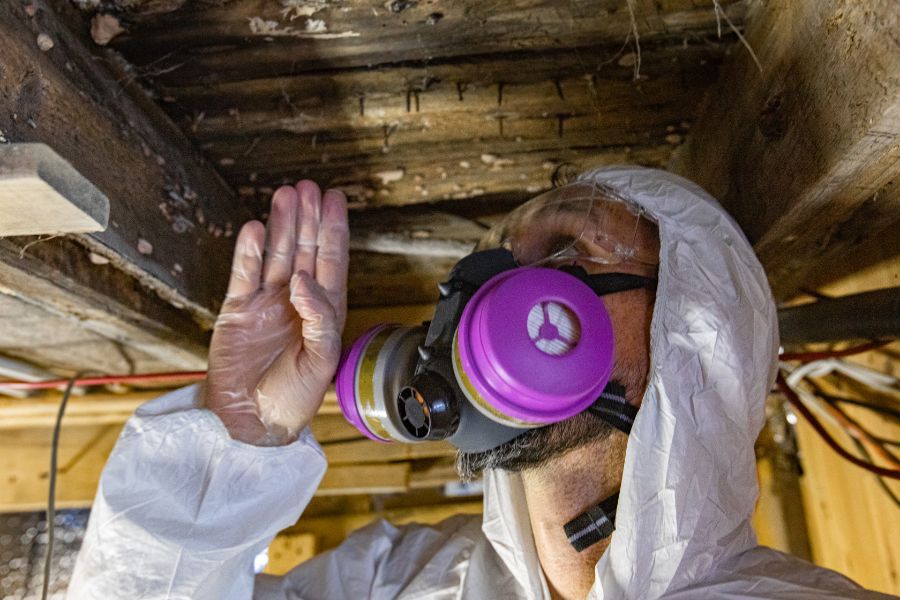
Professional inspections can identify potential problems before they become serious.
Benefits include:
- Early detection of pest activity
- Prevention of major infestations
- Reduced property damage risks
- Ongoing peace of mind
Common Warning Signs of Pest Activity
Watch for:
- Droppings or unusual smells
- Gnaw marks on furniture or wiring
- Visible insects during the day
- Mud tubes or damaged timber
- Unexplained scratching sounds in walls
Early action can prevent a minor issue from becoming a costly infestation.
Why Professional Pest Prevention Works
While DIY prevention is important, professional pest control services provide additional protection through:
- Thorough property inspections
- Preventive barrier treatments
- Expert pest identification
- Long-term management plans
Final Thoughts
Pest prevention is an ongoing process that requires attention both inside and outside your home. By maintaining cleanliness, sealing entry points, reducing moisture, and scheduling regular inspections, you can greatly reduce the risk of pest infestations.
A proactive approach to pest prevention not only protects your property but also helps create a safer and healthier environment for your family.